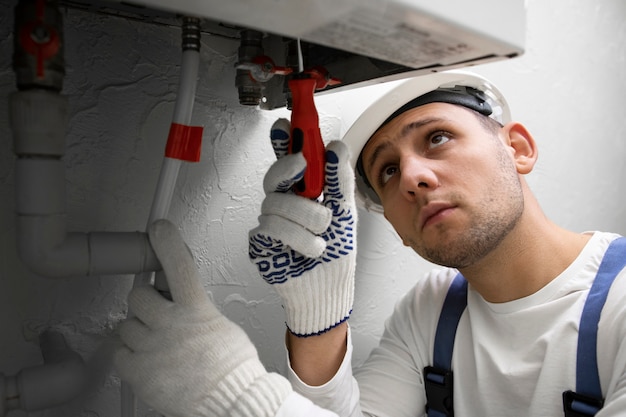
Installing a hot water heater is a significant home investment that ensures comfort and convenience. Understanding the costs involved in this process is crucial for making informed decisions. This article delves into the various factors that influence hot water heater installation costs, offering valuable insights into the financial aspect of this essential home upgrade.
Factors Influencing Hot Water Heater Installation Costs
The cost of installing a hot water heater varies significantly depending on several factors. Here are some key considerations:
- Type of Water Heater: Different types of water heaters, such as tankless, storage, or solar water heaters, come with varying price tags. For instance, tankless water heaters are generally more expensive than conventional storage water heaters.
- Size and Capacity: The size and capacity of the water heater, often measured in gallons, directly impact the cost. Larger units designed to serve bigger households typically cost more.
- Installation Complexity: The complexity of the installation process can significantly influence the overall cost. Factors such as the need for additional plumbing or electrical work can increase expenses.
- Geographic Location: Installation costs can also vary based on the geographic location due to differences in labor rates and local regulations.
For those seeking detailed guidance on choosing the right water heater, discover expert strategies here.
Cost Breakdown: Parts and Labor
Understanding the breakdown of costs for hot water heater installation can help in better financial planning:
Parts
- Water Heater Unit: This is the primary cost component. Depending on the type and brand, the price can vary widely.
- Additional Materials: These may include fittings, pipes, and insulation materials required for the installation process.
Labor
- Professional Installation: Hiring certified professionals ensures a safe and efficient installation, albeit at a higher cost than a DIY approach.
- Permits and Inspections: Depending on local regulations, there may be additional fees for permits and inspections.
To explore advanced guides and tips on managing these costs effectively, explore advanced guides and tips.
Potential Additional Costs
Beyond standard installation, homeowners might encounter additional costs:
- Upgrading Existing Systems: Older homes may require upgrades to plumbing or electrical systems to accommodate new water heaters.
- Disposal of Old Units: Safe disposal of old water heaters can incur additional charges.
- Emergency Installations: Urgent installation requests typically come with a premium due to the immediate service requirement.
For a comprehensive understanding of these potential costs, find out more about this approach.
Ways to Save on Installation Costs
Cost-saving strategies can make water heater installation more affordable:
- Opt for Energy-Efficient Models: While they might have higher upfront costs, energy-efficient models can lead to significant savings on utility bills over time.
- Seek Rebates and Incentives: Many regions offer rebates and incentives for installing energy-efficient appliances.
- Compare Quotes: Obtaining multiple quotes from different service providers can help in finding the best value for money.
To learn about tailored solutions for reducing installation expenses, learn about our tailored solutions.
In conclusion, understanding the various components that contribute to hot water heater installation costs can empower homeowners to make informed decisions. By considering the type, size, and complexity of the installation, along with potential additional expenses, one can budget effectively for this essential home improvement.
