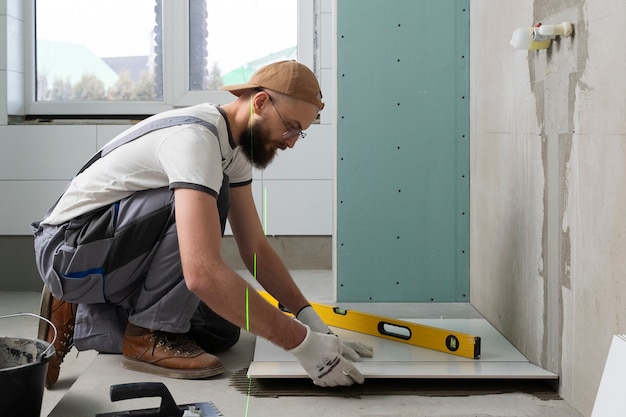
Renovating a home can be an exciting venture filled with the promise of enhanced aesthetics and increased property value. However, before embarking on any renovation project, it is crucial to understand the importance of obtaining a home improvement permit. Permits are not merely bureaucratic hurdles; they serve as essential tools that ensure safety, legal compliance, and quality of work. This article delves into why securing a permit should be a priority in your renovation plans.
Ensuring Safety and Compliance
One of the primary reasons for obtaining a home improvement permit is to ensure safety and adherence to building codes. These codes are established to protect homeowners and the community by ensuring that all renovations meet specific safety standards.
- Permits guarantee that the work is inspected by a professional, ensuring that construction is up to code.
- They help prevent common hazards such as electrical fires, structural failures, and plumbing issues.
- Compliance with building codes protects future buyers and maintains neighborhood standards.
For more detailed information on building permits and how they affect home improvement projects, discover expert strategies here.
Avoiding Legal and Financial Repercussions
Undertaking renovations without the necessary permits can lead to serious legal and financial consequences.
- Unpermitted work can result in fines, legal action, and the need to undo completed work.
- It can complicate property sales, as unpermitted renovations might not be included in the property valuation.
- Lenders and insurance companies may refuse to finance or cover unpermitted work.
Learn about our tailored solutions to navigate these challenges by visiting this page.
The Permit Process: What to Expect
Understanding the permit process can help streamline your renovation project and avoid unnecessary delays.
Application and Approval
The first step involves submitting an application detailing the scope of your project. This may include plans, materials, and timelines.
- Submit a detailed plan to the local building department.
- Your application will be reviewed to ensure compliance with local codes.
- Upon approval, you will be issued a permit, allowing work to commence.
For a comprehensive guide on the permit application process, explore advanced guides and tips here.
Inspections and Final Approval
During and after the completion of your renovation, inspections are conducted to ensure ongoing compliance and safety standards are maintained.
- Inspections are scheduled at various stages of the renovation.
- Final approval is granted once the work satisfies all safety and building code requirements.
Find out more about this approach to successful inspections here.
Community and Neighborhood Considerations
Renovations can affect the community and the immediate neighborhood, and permits help manage these impacts responsibly.
- Permits ensure that renovations do not negatively impact neighbors, such as blocking views or sunlight.
- They help maintain the aesthetic and structural integrity of a neighborhood.
- Community bylaws and Homeowners Associations (HOAs) may have specific requirements, which are enforced through the permitting process.
Readers interested in understanding how permits intersect with community guidelines can find out more about this approach.
In conclusion, obtaining a home improvement permit is a critical step in any renovation project. It ensures safety, compliance, and protects against legal and financial risks. Those considering renovations should approach the process with diligence and seek out expert advice. For insights into customer experiences, check out customer reviews here and see what others are saying about us.