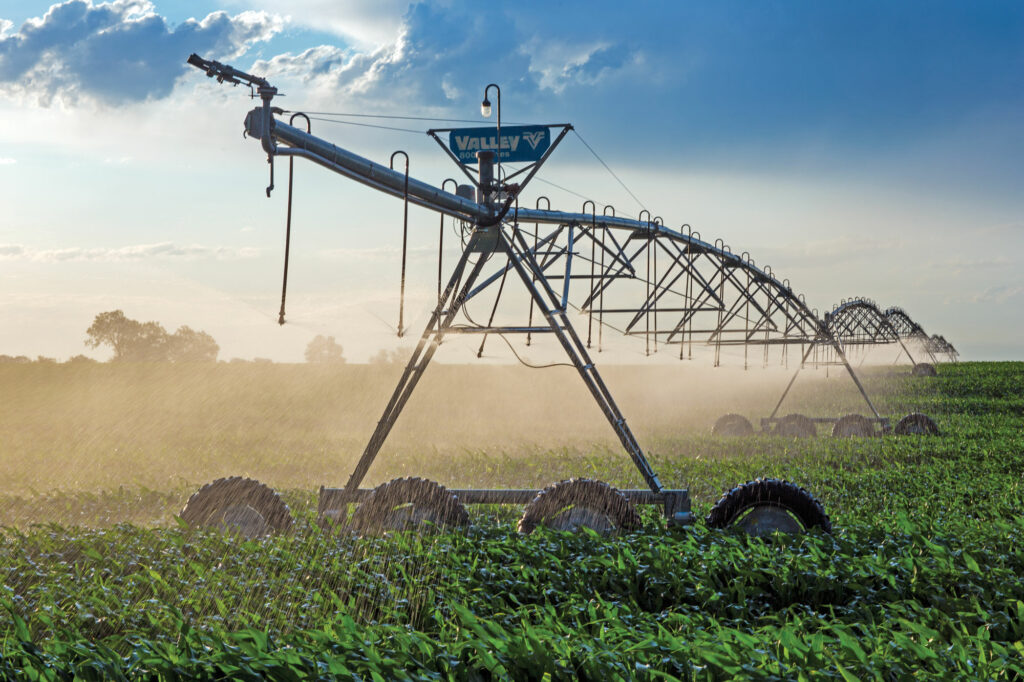
In the fast-paced world of agriculture and landscape management, the ability to control irrigation systems remotely has become an essential tool for enhancing efficiency and productivity. Remote irrigation management not only saves time and resources but also optimizes water usage, leading to healthier crops and landscapes. This article explores the benefits and functionalities of remote irrigation systems, and how they can revolutionize water management practices.
The Advantages of Remote Irrigation Management
Remote control of irrigation systems provides numerous benefits that are crucial for modern agricultural and landscaping operations. Here are some key advantages:
- Resource Efficiency: Remote systems ensure that water and energy are used efficiently, reducing waste and lowering costs.
- Time-Saving: Manage irrigation schedules and water flow from anywhere, eliminating the need for manual adjustments on site.
- Data-Driven Decisions: Access real-time data and analytics to make informed decisions on water management.
- Environmental Impact: By optimizing water use, remote irrigation systems contribute to sustainable practices and conservation efforts.
How Remote Irrigation Systems Work
Remote irrigation systems utilize advanced technology to provide users with control over their irrigation processes from virtually any location. These systems include several critical components:
1. Sensors and Data Collection
Sensors are strategically placed to collect data on soil moisture, weather conditions, and plant health. This data is crucial for making informed irrigation decisions. Explore advanced guides and tips on integrating sensor technology into your irrigation strategy.
2. Cloud-Based Platforms
These platforms allow for the storage and analysis of data collected by sensors. Users can access this information from any internet-connected device, providing flexibility and ease of use. Learn about our tailored solutions for cloud-based irrigation management.
3. Automated Controls
Automation is a key feature of remote irrigation systems. Users can set specific parameters for watering schedules and receive alerts for maintenance issues or system malfunctions. This level of control ensures optimal performance and efficiency.
Implementing Remote Irrigation Solutions
Adopting remote irrigation technology requires careful planning and consideration. Here are some steps to ensure a successful implementation:
- Assessment: Evaluate current irrigation practices and identify areas for improvement.
- Research: Investigate different remote irrigation solutions and determine which best meets operational needs. Discover expert strategies here to guide your decision-making process.
- Installation: Partner with experienced professionals to install and configure the system.
- Training: Ensure that all relevant personnel are trained to use the system effectively.
Future Trends in Remote Irrigation
The future of remote irrigation technology is promising, with advancements continually enhancing system capabilities. Emerging trends include:
- Integration with AI: Artificial intelligence is being used to further refine irrigation strategies, predicting plant needs and optimizing water usage.
- Enhanced Connectivity: Improved connectivity options, such as IoT, are enabling more seamless integration with other agricultural technologies.
- Sustainability Focus: As environmental concerns grow, remote irrigation systems are increasingly designed with sustainability in mind.
For those interested in leading-edge irrigation solutions, find out more about this approach and stay ahead in the evolving landscape of water management.
Embracing remote irrigation technology offers significant advantages, from increased efficiency to sustainable practices. As technology continues to evolve, the potential for even greater improvements in irrigation management is vast. Explore the options available and consider investing in a system that not only meets current needs but is also adaptable for future advancements.