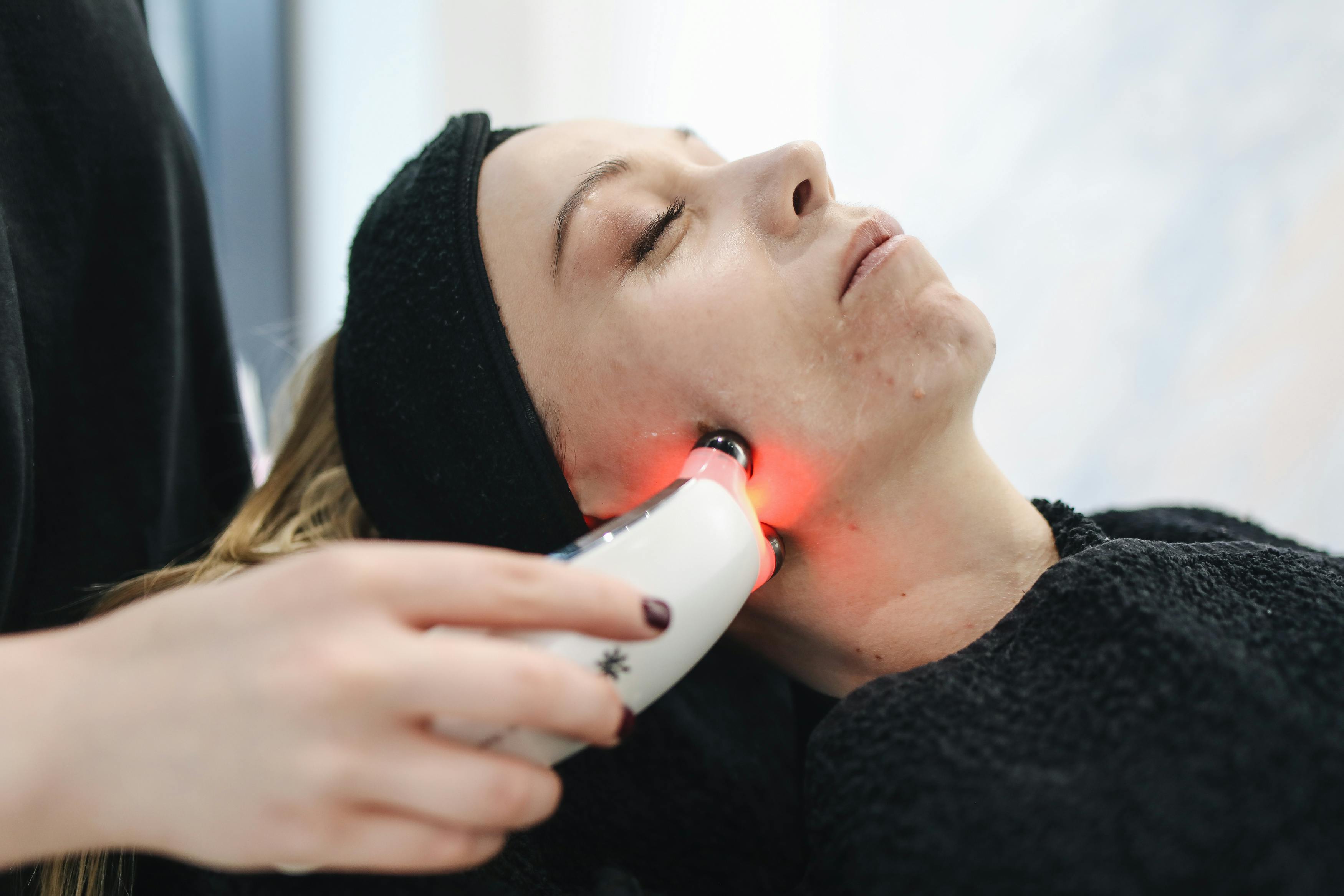
Scarring is a natural part of the healing process, yet it can often lead to cosmetic concerns and emotional distress. Modern skincare and dermatology have introduced a variety of solutions to address and reduce scarring. Among these, laser treatments have emerged as a powerful option, offering precision and effectiveness. This article delves into the advanced laser treatments available for scar reduction, providing insights into how they work, their benefits, and what to expect during the treatment process. For those seeking to improve their skin’s appearance, exploring these innovative techniques can be a significant step forward.
Understanding Laser Treatments for Scarring
Laser treatments use focused light therapy to target and break down scar tissue while stimulating the growth of new, healthy skin cells. These treatments can vary based on the type of laser used, and each has specific benefits and applications.
Types of Laser Treatments
- Ablative Lasers: These remove the outer layers of the skin and are effective for deep scars.
- Non-Ablative Lasers: These target the underlying skin tissue to promote collagen production without removing skin layers.
- Fractional Lasers: A combination approach that targets a fraction of the skin at a time, aiding quicker recovery.
Each type of laser treatment offers distinct advantages and is selected based on the patient’s skin type and scar condition. For more detailed guidance on selecting the right treatment, discover expert strategies here.
Benefits of Laser Scar Reduction
Laser treatments for scar reduction offer numerous benefits, making them a preferred choice for many individuals dealing with scarring:
- Precision: Lasers can be finely tuned to target specific areas, minimizing damage to surrounding skin.
- Minimal Downtime: Many laser treatments require little recovery time, allowing patients to resume daily activities quickly.
- Improved Skin Texture: By promoting collagen production, lasers help improve the overall texture and tone of the skin.
These treatments are highly effective for various types of scars, including acne scars, surgical scars, and more. To explore advanced guides and tips on laser treatments, explore advanced guides and tips.
What to Expect During Laser Treatment
The process of laser scar treatment is straightforward, yet understanding what to expect can help ease anxiety and prepare individuals for the procedure.
Pre-treatment Consultation
A comprehensive consultation is crucial to assess the skin type, scar condition, and determine the appropriate laser treatment. Various factors, including medical history and expectations, are discussed to tailor the treatment plan.
Treatment Procedure
During the procedure, the laser is applied to the target area, with sessions typically lasting between 15 to 45 minutes, depending on the size and number of scars. Minimal discomfort may be experienced, similar to a rubber band snapping against the skin.
Post-treatment Care
- Moisturize: Keeping the treated area moisturized aids in healing.
- Avoid Sun Exposure: Direct sun exposure should be minimized to prevent pigmentation changes.
- Follow-up Sessions: Multiple sessions may be required for optimal results, spaced weeks apart.
For more information on what to expect and how to care for the skin post-treatment, find out more about this approach.
Conclusion
Laser treatments have revolutionized the approach to reducing scarring, offering effective and lasting results. With advancements in technology, these treatments are now more accessible and customizable than ever before. Those considering laser treatment should consult with a qualified dermatologist to ensure the best possible outcome. To learn about tailored solutions for scar reduction, learn about our tailored solutions.