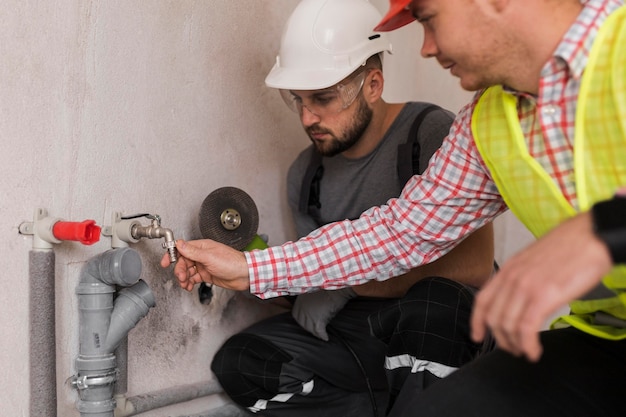
Detecting and repairing a sewer line leak in the basement can be a daunting task. However, addressing it promptly is essential to prevent further damage to the property and to ensure the safety and health of the household. A sewer line leak can often go unnoticed due to its location, leading to potential structural issues and health hazards if left unchecked. This guide aims to provide a comprehensive approach to identifying and resolving these leaks efficiently, ensuring minimal disruption and long-term effectiveness.
Identifying Signs of a Sewer Line Leak
Early detection of a sewer line leak can save time and money. Homeowners should be aware of the following signs that may indicate a leak:
- Unpleasant odors emanating from the basement or drains.
- Visible mold or mildew growth on walls and floors.
- Unexplained dampness or wet spots on the floor.
- Slow drainage or frequent clogs in the plumbing system.
- Unusual sounds, such as gurgling or bubbling, in the pipes.
For more detailed information on identifying sewer line leaks, explore advanced guides and tips.
Steps to Repair a Sewer Line Leak
Initial Assessment and Preparation
Before embarking on repairs, a thorough assessment of the problem is crucial. Homeowners can follow these steps:
- Conduct a visual inspection of the basement for any visible signs of leakage or damage.
- Use a moisture meter to detect hidden dampness in walls and flooring.
- If possible, employ a plumbing camera to inspect the interior of the sewer lines for cracks or obstructions.
To understand more about this approach, find out more here.
Repair Techniques
Once a leak is confirmed, choosing the appropriate repair technique is essential. Some common methods include:
Trenchless Repair
- Pipe Lining: This involves inserting a flexible tube coated with resin into the damaged pipe. The tube inflates and hardens, creating a new pipe within the old one.
- Pipe Bursting: This technique replaces the old pipe by breaking it apart while simultaneously pulling a new pipe into place.
Trenchless methods are less invasive and can be completed quickly, reducing the disruption to the home’s landscape. Discover expert strategies here.
Traditional Repair
In cases where trenchless methods are unsuitable, traditional excavation might be necessary. This involves:
- Digging a trench to access the damaged pipe directly.
- Repairing or replacing the affected section of the pipe.
- Refilling the trench and restoring the area to its original state.
While this approach can be more disruptive, it may be the only viable solution for severe damage. Learn about our tailored solutions.
Preventative Measures
To avoid future sewer line leaks, consider implementing the following preventative measures:
- Regularly inspect and maintain the plumbing system.
- Avoid flushing non-degradable items down the toilet.
- Install a backwater valve to prevent sewage backflow.
- Ensure tree roots do not interfere with sewer lines by maintaining a safe distance between trees and plumbing.
For comprehensive strategies on maintaining a healthy plumbing system, explore more detailed guidance.
Addressing a sewer line leak in the basement requires prompt action and informed decision-making. By understanding the signs of a leak and knowing the available repair options, homeowners can effectively manage the situation and prevent further damage. Through regular maintenance and proactive measures, the risk of future leaks can be minimized, ensuring a safe and sound living environment.