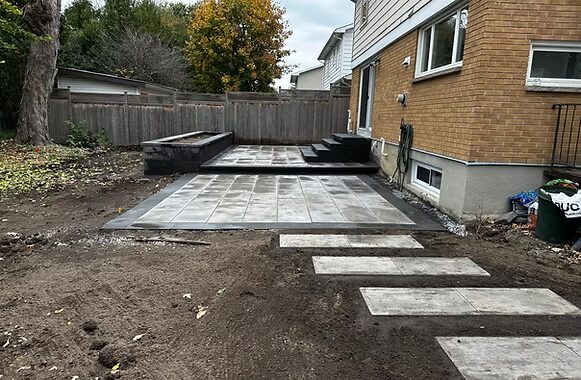
Garden landscaping is an art that combines the serenity of nature with the creativity of human design. Finding the perfect balance between these elements can transform any outdoor space into a personal sanctuary. This balance not only enhances the aesthetic appeal of a garden but also supports biodiversity and sustainability. Understanding how to integrate natural elements with carefully considered design principles is essential for creating a harmonious landscape that meets both practical and aesthetic needs.
The Importance of Balance in Garden Landscaping
Achieving a harmonious balance in garden landscaping involves thoughtful consideration of several key factors. A well-balanced garden can provide a peaceful retreat, improve property value, and contribute to environmental health. Here are some key aspects to consider:
- Plant Selection: Choose a variety of plants that complement each other in color, texture, and growth habits. Native plants are often preferable as they require less maintenance and are better suited to the local climate.
- Hardscape Elements: Incorporate structures such as pathways, walls, and patios to create functional spaces and guide movement throughout the garden.
- Water Features: Adding ponds, fountains, or streams can introduce soothing sounds and attract wildlife, enhancing the garden’s natural appeal.
- Lighting: Thoughtful lighting can extend the usability of the garden into the evening hours and highlight key features.
Design Principles for Harmonious Landscapes
Adhering to design principles is crucial for creating a cohesive and functional garden. Here are some principles that can guide the design process:
- Unity and Balance: Achieve visual harmony by choosing a consistent style and ensuring that all elements work together seamlessly.
- Scale and Proportion: Consider the size and scale of each element relative to the overall space to ensure a balanced look.
- Focal Points: Create interest by incorporating focal points such as a statue or a unique plant specimen.
- Rhythm and Line: Use repetition and the strategic placement of plants and structures to create a pleasing flow through the garden.
To delve deeper into these design principles, explore advanced guides and tips on professional landscape design.
Incorporating Nature into Design
Integrating natural elements within the garden design enhances the overall aesthetic and promotes ecological balance. Here?s how to incorporate nature effectively:
- Native Plantings: Utilize plants that are indigenous to the area to support local wildlife and reduce maintenance needs.
- Wildlife Habitats: Encourage biodiversity by creating habitats for birds, bees, and other beneficial insects.
- Edible Gardens: Consider planting vegetables, fruits, and herbs to create a sustainable and productive garden space.
For more ideas on how to blend nature with design, discover expert strategies here.
Sustainability in Garden Landscaping
Incorporating sustainable practices into garden landscaping not only benefits the environment but also enhances the longevity and resilience of the garden. Consider the following sustainable practices:
- Water Conservation: Implement rainwater harvesting or drip irrigation systems to minimize water usage.
- Soil Health: Use organic fertilizers and compost to maintain soil fertility and structure.
- Energy Efficiency: Choose energy-efficient lighting and solar-powered features to reduce energy consumption.
To learn about our tailored solutions for sustainable landscaping, find out more about this approach.
Conclusion
Balancing nature and design in garden landscaping is an intricate process that requires a keen eye for detail and a deep understanding of ecological and aesthetic principles. By thoughtfully selecting plants, incorporating natural elements, and adhering to design principles, any garden can be transformed into a harmonious and sustainable outdoor space. For those seeking to create such a sanctuary, learn about our tailored solutions and explore the wealth of resources available to guide the process.