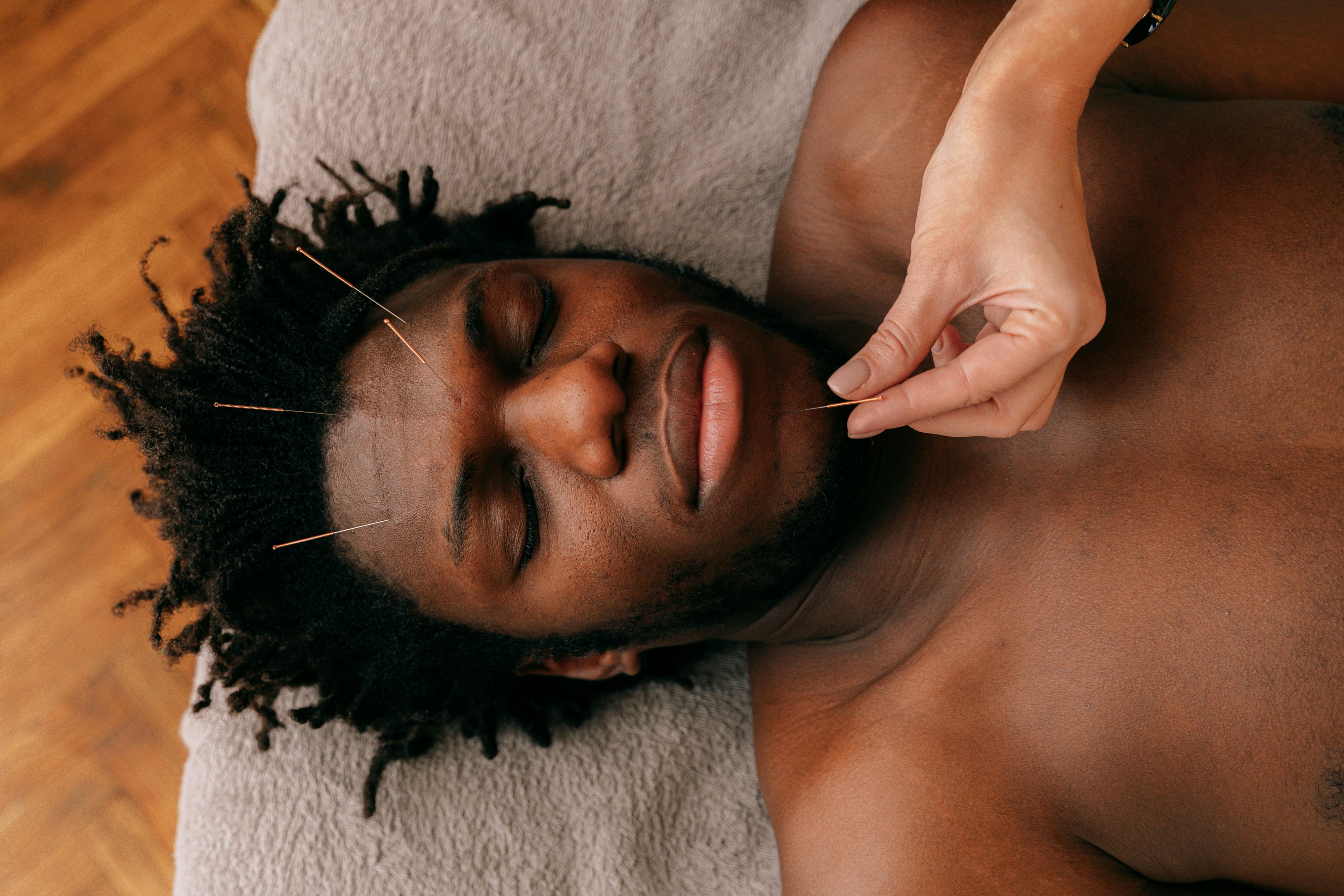
Physio dry needling is becoming an increasingly popular therapeutic technique used by physiotherapists to treat a variety of musculoskeletal conditions. This minimally invasive procedure involves the insertion of fine needles into the skin and muscles, targeting trigger points to alleviate pain and improve function. With an increasing number of individuals seeking alternative and complementary therapies, understanding the benefits of physio dry needling can provide insight into how it may fit into a comprehensive treatment plan.
What is Physio Dry Needling?
Dry needling is a technique used by skilled practitioners to release muscle tension, reduce pain, and improve range of motion. Unlike acupuncture, which is rooted in traditional Chinese medicine, dry needling is based on Western anatomical and physiological concepts.
How Does It Work?
- Needles are inserted into myofascial trigger points, which are hyperirritable spots in the skeletal muscle.
- The goal is to disrupt the pain cycle and promote healing.
- This process can stimulate a local twitch response, releasing tension within the muscle.
Key Benefits of Physio Dry Needling
Physio dry needling offers a range of benefits that can enhance physical therapy outcomes and support overall musculoskeletal health.
Pain Relief
- Effective for chronic pain conditions such as neck pain, back pain, and headaches.
- Can reduce muscle tension and associated pain quickly.
- Targets specific areas of pain, providing precise treatment.
Improved Mobility
- Helps to restore movement patterns by releasing tight muscles.
- Enhances flexibility, allowing for a greater range of motion.
- Supports rehabilitation by improving functional movement.
Enhanced Recovery
Dry needling can be an effective tool for enhancing recovery post-injury or surgery. By encouraging blood flow and reducing inflammation, it can accelerate the healing process. Learn about our tailored solutions to support your recovery needs.
Who Can Benefit from Physio Dry Needling?
Physio dry needling is suitable for a wide range of individuals, including athletes, office workers, and those suffering from chronic pain conditions. Discover expert strategies here for integrating dry needling into your treatment plan.
Common Conditions Treated
- Muscle strains and sprains.
- Tendinitis and tendinopathies.
- Chronic tension headaches and migraines.
- Plantar fasciitis and other foot-related issues.
Considerations and Safety
While physio dry needling is generally considered safe, it is important to ensure that the procedure is carried out by a trained and certified professional. Before undergoing dry needling, individuals should consult with their physiotherapist to discuss their medical history and specific needs. Find out more about this approach and how it can be safely incorporated into your treatment protocol.
Conclusion
Physio dry needling offers a promising alternative for those seeking relief from pain and muscle tightness. By targeting specific trigger points, it can provide significant benefits in terms of pain reduction, improved mobility, and enhanced recovery. As always, consulting with a qualified practitioner is crucial to ensuring the safe and effective use of dry needling as part of a comprehensive treatment plan. For more detailed information and guidance, explore advanced guides and tips on integrating physio dry needling into your health regimen.