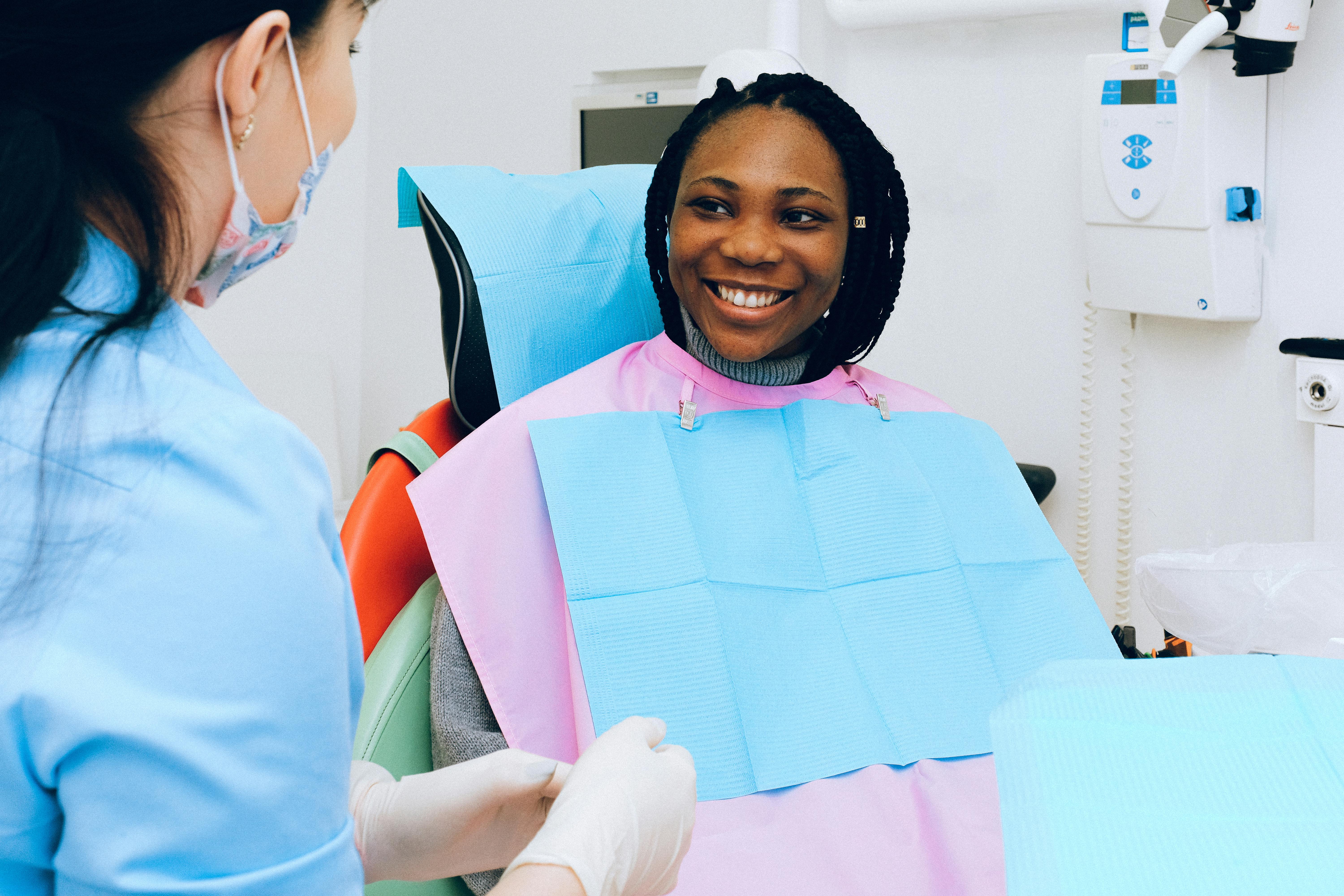
Visiting the dentist can be a source of anxiety for many individuals. However, creating a comfortable and welcoming dental environment can significantly ease this apprehension. A well-designed dental space not only enhances patient comfort but also promotes a more efficient and effective dental care experience. This article delves into various strategies and considerations for creating such an environment, ensuring that patients feel at ease from the moment they step into the dental office.
The Importance of a Comfortable Dental Environment
A comfortable dental environment is crucial for several reasons. It can help reduce patient anxiety and stress, improve patient satisfaction, and encourage regular dental visits. By prioritizing comfort, dental practices can create a positive atmosphere that fosters trust and cooperation.
Key Elements of a Comfortable Dental Environment
- Welcoming Reception Area: A warm and inviting reception area sets the tone for the entire visit. Comfortable seating, soothing colors, and soft lighting can make patients feel more relaxed. Consider the addition of calming music and reading materials to further enhance the ambiance.
- Patient-Centric Design: The layout of the dental office should prioritize patient comfort. Ensure that treatment rooms are spacious and equipped with ergonomic furniture. This approach not only benefits patients but also supports the dental staff in providing optimal care.
- Modern Technology: Incorporating the latest dental technology can improve treatment efficiency and patient comfort. Advanced equipment often results in shorter procedure times and less invasive treatments, which can be less intimidating for patients. Explore further insights here.
- Communication and Transparency: Open communication between the dental team and patients is essential. Clearly explaining procedures and addressing any concerns can alleviate fears and build trust. Providing information about what to expect during a visit can also enhance comfort. Read more about this topic.
Creating a Relaxing Atmosphere
Designing a dental environment that is pleasant and soothing can have a profound impact on patient experience. Consider the following strategies to create a relaxing atmosphere:
- Color Schemes and Decor: Use colors that promote calmness, such as blues and greens. Decorations should be tasteful and not overwhelming, contributing to a serene environment.
- Aromatherapy: Pleasant scents can reduce anxiety and promote relaxation. Consider using essential oils or scented candles in waiting areas to create a calming effect.
- Entertainment Options: Providing entertainment options, such as televisions or music, can distract patients and make the time spent in the dental chair more enjoyable. Learn more in this detailed guide.
Incorporating Patient Feedback
Listening to patient feedback is a valuable tool for improving the dental environment. Regularly seeking input from patients can provide insights into their preferences and areas that may need enhancement. Implementing suggestions from patients demonstrates a commitment to their comfort and satisfaction.
Methods to Gather Feedback
- Surveys and Questionnaires: Distribute surveys to gather feedback on various aspects of the dental experience. This data can help identify trends and areas for improvement.
- Direct Communication: Encourage open dialogue by asking patients about their experience during and after their visit. This can provide immediate insights and help address any concerns promptly.
- Online Reviews: While this article does not focus on customer reviews, online platforms can be a source of valuable feedback. Monitoring these platforms can highlight areas for improvement and showcase areas of success. Find additional information here.
In conclusion, creating a comfortable dental environment is essential for fostering a positive patient experience. By focusing on aspects such as design, technology, communication, and patient feedback, dental practices can significantly enhance the comfort and satisfaction of their patients. For more insights and detailed strategies on improving dental environments, visit this comprehensive resource.