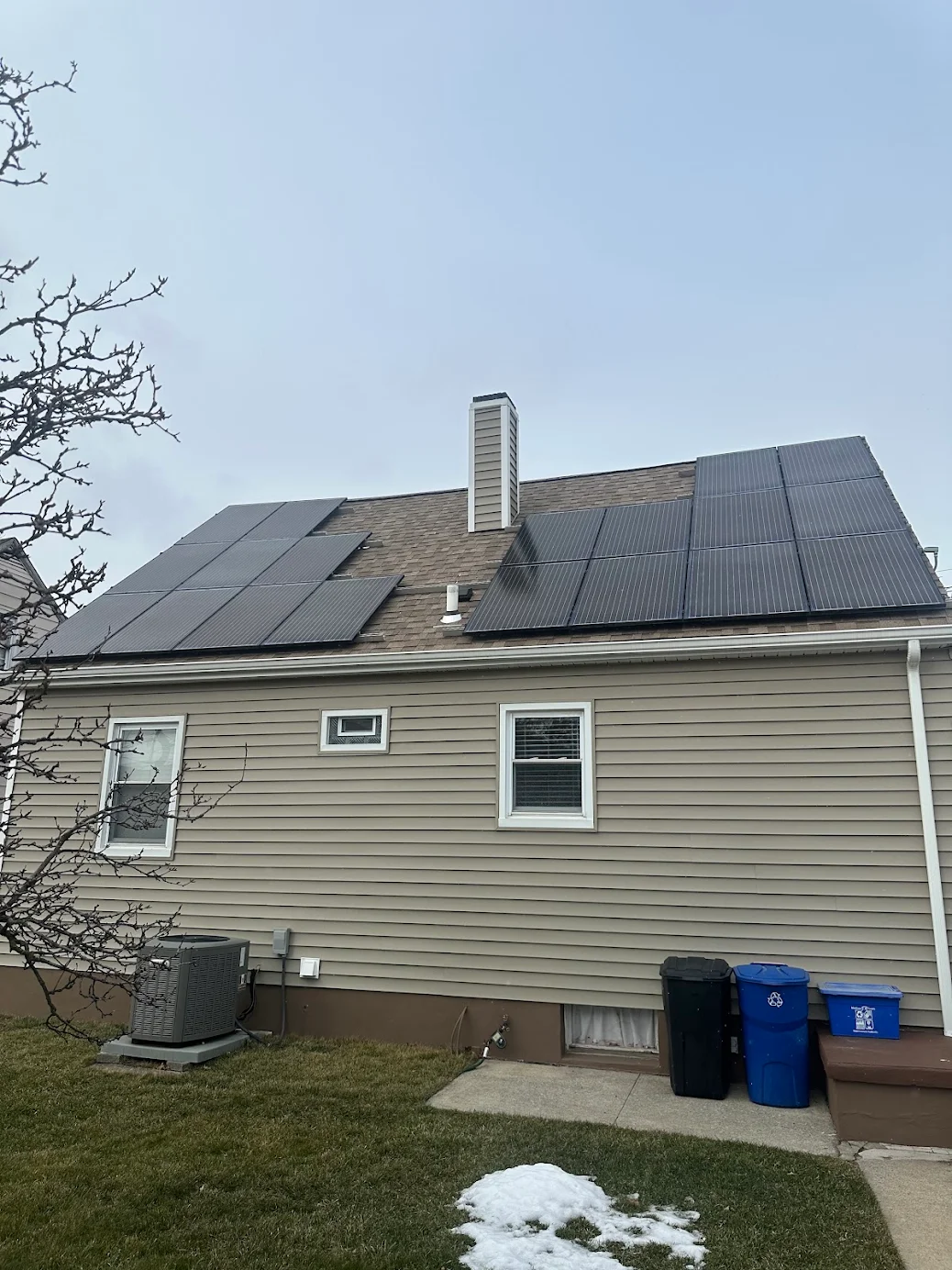
In recent years, the integration of solar panel systems into commercial buildings has become a popular strategy for reducing energy costs and promoting sustainability. To ensure optimal performance and longevity of solar installations, selecting the right roofing solution is crucial. This article examines various commercial roofing solutions that cater specifically to solar panel installations, offering insights into the benefits, considerations, and best practices for businesses looking to harness solar power effectively.
Understanding Commercial Roofing Options
Choosing the right roofing type is essential for supporting solar panels. The following are some of the most common roofing solutions suitable for solar installations:
- Flat Roofs: Ideal for solar panels due to their horizontal surface, allowing for easy panel arrangement and angle adjustments.
- Metal Roofs: Known for durability and long lifespan, these roofs are well-suited for solar panel mounting with minimal penetration.
- Membrane Roofs: Offering a smooth surface, membrane roofs are compatible with various solar mounting systems and provide excellent water resistance.
For more details on how different roofing types can support solar installations, explore advanced guides and tips.
Key Considerations for Solar-Compatible Roofing
Durability and Longevity
When installing solar panels, it is essential to consider the durability and longevity of the roofing material. A robust roof ensures that the solar panels are securely supported throughout their lifespan.
- Opt for roofing materials with a lifespan that matches or exceeds the solar panel system.
- Evaluate the roof?s ability to withstand environmental conditions such as wind, rain, and UV exposure.
Find out more about this approach to ensure the longevity of both roof and solar panels.
Weight-Bearing Capacity
The weight-bearing capacity of the roof is another critical factor. Solar panels and their mounting systems add extra weight, which the roof must support without compromising its structural integrity.
- Conduct a thorough structural analysis to determine the roof?s load-bearing capabilities.
- Consult with experts to ensure that the chosen roofing solution can support additional weight.
To learn about tailored solutions that accommodate weight considerations, consider engaging with industry experts.
Advantages of Solar-Compatible Commercial Roofing
Investing in a solar-compatible roofing solution offers numerous advantages that extend beyond energy savings:
- Cost Efficiency: Reduces long-term energy costs and may qualify for tax incentives or rebates.
- Environmental Impact: Contributes to sustainability goals by reducing carbon footprint.
- Enhanced Building Value: Increases property value by integrating renewable energy solutions.
To discover expert strategies here for maximizing the benefits of solar integration, consider exploring comprehensive resources.
Conclusion
Incorporating solar panels into commercial properties requires a thoughtful approach to roofing solutions. Selecting the appropriate type of roof, considering factors such as durability, weight capacity, and compatibility, is vital for successful solar installations. By investing in the right roofing solutions, businesses can achieve significant energy savings, enhance sustainability efforts, and boost property value. For those considering such a transition, it is beneficial to explore advanced guides and tips to ensure a smooth and efficient integration process.