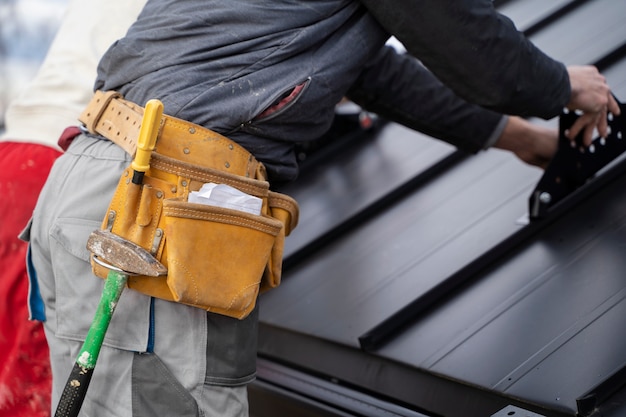
In the realm of commercial property management, maintaining a robust and durable roof is paramount. A well-constructed roof not only protects the building from the elements but also ensures the safety and comfort of its occupants. One of the most critical aspects of roof maintenance is waterproofing. Without it, a commercial roof is susceptible to leaks, structural damage, and costly repairs. Understanding the benefits and methods of commercial roof waterproofing can significantly extend the life of a roof and enhance its performance.
Understanding Commercial Roof Waterproofing
Waterproofing a commercial roof involves applying specially designed materials and techniques to create a water-resistant barrier. This process is crucial because it prevents water ingress that can lead to deterioration of the roof structure and, eventually, the entire building. A roof that is properly waterproofed will resist the natural wear and tear caused by weather conditions, thereby preserving the building’s structural integrity.
Benefits of Waterproofing
- Enhanced Durability: Extends the lifespan of the roof by protecting it from water damage.
- Cost-Effectiveness: Reduces the need for frequent repairs, saving on long-term maintenance expenses.
- Energy Efficiency: Improves insulation, which can lead to lower energy bills.
- Mold and Mildew Prevention: Minimizes the risk of mold growth, ensuring a healthier environment inside the building.
Key Waterproofing Techniques
Choosing the right waterproofing technique depends on several factors, including the type of roof, the climate, and specific building requirements. Some of the most effective methods include:
Liquid Applied Membranes
Liquid applied membranes are a popular choice due to their flexibility and ability to cover complex roof shapes. The liquid is applied directly to the roof surface, forming a seamless and durable barrier. This method is particularly effective for roofs with numerous protrusions and joints.
Bituminous Membranes
Bituminous membranes are highly durable and resistant to UV rays. These membranes are typically installed as rolls that are adhered to the roof surface. They are ideal for flat roofs and offer excellent protection against severe weather conditions.
EPDM Rubber Roofing
Ethylene Propylene Diene Monomer (EPDM) is a synthetic rubber roofing membrane known for its durability and weather resistance. It is a cost-effective solution for flat or low-slope roofs and is relatively easy to install.
Implementing a Waterproofing Strategy
Creating an effective waterproofing strategy involves careful planning and execution. It’s crucial to conduct a thorough inspection of the roof to identify potential vulnerabilities and determine the most suitable waterproofing materials and methods. Discover expert strategies here for selecting the right approach for your commercial property.
Regular Maintenance and Inspections
Routine inspections and maintenance are essential to ensure the longevity of the waterproofing system. Regular checks help detect minor issues before they escalate into major problems. Explore advanced guides and tips for maintaining a waterproof roof effectively.
Conclusion
Incorporating a comprehensive waterproofing plan into the maintenance of a commercial roof is a wise investment. It not only safeguards the building against water damage but also contributes to its overall efficiency and value. For property managers and owners interested in learning more about implementing these strategies, there are numerous resources available. Find out more about this approach to ensure the long-term durability and performance of your commercial roofing system.
