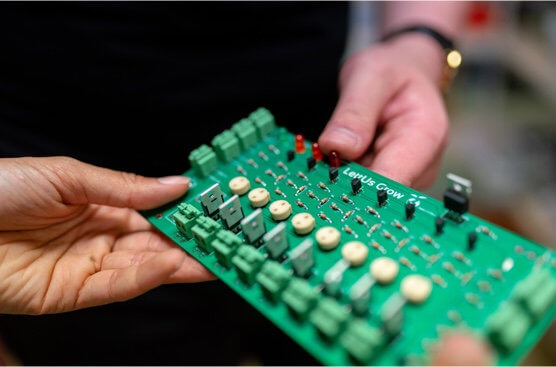
In the rapidly evolving landscape of manufacturing, adopting innovative approaches is not just a choice but a necessity for maintaining competitive advantage. One such approach that has been making significant waves is Design for Manufacturing (DFM). This method integrates the design process with manufacturing considerations, ensuring that products are not only innovative in function but also efficient and cost-effective to produce. The impact of DFM on modern manufacturing is profound, affecting everything from cost reduction to product quality and lead times.
Understanding Design for Manufacturing (DFM)
Design for Manufacturing is a methodology that emphasizes designing products with manufacturing in mind from the outset. The primary objective is to simplify the manufacturing process, reduce costs, and enhance product quality. By considering manufacturing constraints during the design phase, companies can avoid costly redesigns and production issues.
- Cost Efficiency: By optimizing the design for manufacturing, companies can significantly reduce production costs.
- Improved Quality: DFM ensures that products are designed to meet stringent quality standards.
- Faster Time to Market: With fewer design iterations needed, products can reach the market faster.
Key Elements of DFM
Simplification of Design
Simplifying the design is a cornerstone of the DFM process. It involves reducing the number of parts, using standard components, and designing for ease of assembly. Such simplification not only aids in reducing manufacturing costs but also enhances product reliability. Discover expert strategies here.
Material Selection
Choosing the right materials is crucial in DFM. Materials should be selected based on their manufacturability, cost, and performance characteristics. The choice of materials can significantly impact the manufacturing process and the final product’s quality. Explore advanced guides and tips.
Design for Assembly
Design for Assembly (DFA) is a critical part of DFM, focusing on minimizing the number of parts and simplifying the assembly process. This aspect of DFM helps in reducing labor costs and improving the efficiency of the production process. Learn about our tailored solutions.
The Impact of DFM on Manufacturing
The adoption of DFM has far-reaching impacts on the manufacturing industry. Here are some of the most significant effects:
- Cost Reduction: By considering manufacturing processes early in the design phase, DFM helps in identifying potential cost-saving opportunities.
- Increased Efficiency: Products designed with manufacturing in mind are easier and faster to produce, leading to increased operational efficiency.
- Enhanced Product Quality: With fewer defects and a focus on quality from the onset, products meet higher standards and customer satisfaction is improved.
To understand how these elements come together to transform manufacturing processes, find out more about this approach.
Implementing DFM in Business Operations
For businesses looking to implement DFM, it is essential to foster a collaborative environment where designers and manufacturers work closely together. This collaboration ensures that potential manufacturing challenges are identified and addressed during the design phase. Moreover, businesses should invest in training and resources to ensure that teams are equipped with the latest DFM techniques and tools.
Steps to Successful DFM Implementation
- Establish cross-functional teams involving both design and manufacturing experts.
- Invest in DFM training and tools to keep teams updated on best practices.
- Encourage a culture of continuous improvement and feedback to refine processes.
The benefits of DFM make it an invaluable strategy in the modern, competitive manufacturing environment. By integrating this approach into business operations, companies can achieve significant gains in efficiency, cost-effectiveness, and product quality. For more insights and a deeper understanding, explore advanced guides and tips.