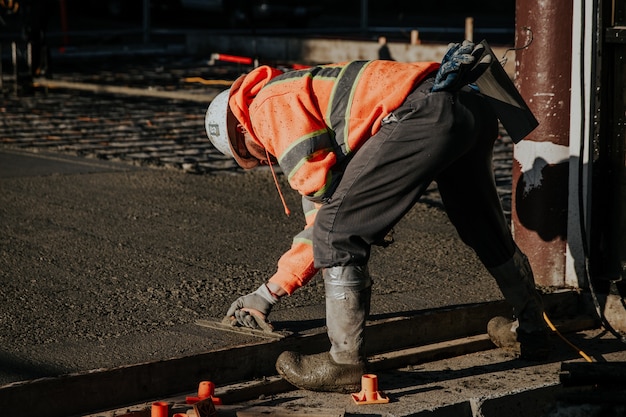
Concrete is a versatile and widely used material in construction due to its strength and durability. However, it is also porous, which can lead to water infiltration and subsequent damage over time. Waterproofing concrete is a crucial step in maintaining the integrity and longevity of any structure. This article delves into professional techniques for sealing concrete, ensuring that structures are protected from water damage, and highlights the importance of using advanced methods for optimal results.
Understanding Concrete Waterproofing
Waterproofing concrete involves applying various materials and techniques to prevent water from penetrating the surface. This not only protects the structural integrity but also extends the lifespan of the concrete. There are several key methods used in the industry, each offering unique benefits.
Surface Sealers
Surface sealers are the first line of defense against water infiltration. These products are applied directly to the surface of the concrete, forming a protective layer that repels water and other contaminants.
- Penetrating Sealers: These sealers penetrate deep into the concrete, providing long-lasting protection without altering the surface appearance. Discover expert strategies here.
- Film-forming Sealers: These create a thin film on the surface, enhancing the appearance and providing resistance to water and stains.
Integral Waterproofing
Integral waterproofing involves adding waterproofing agents directly into the concrete mix before it is poured. This ensures that the entire mass of the concrete is waterproofed, not just the surface.
- Crystalline Waterproofing: This method uses chemical reactions to form crystals within the concrete, blocking water pathways.
- Admixtures: Special additives are mixed with the concrete to enhance its water resistance. Learn about our tailored solutions.
Advanced Techniques and Materials
As technology advances, so do the materials and techniques used for concrete waterproofing. Keeping up with these developments is crucial for ensuring optimal protection.
Liquid Applied Membranes
Liquid applied membranes are a modern solution for waterproofing. These are spread over the concrete surface, creating a seamless barrier against water.
- Polyurethane: Known for its flexibility and durability, polyurethane membranes are ideal for areas subject to movement.
- Bituminous Membranes: These offer excellent adhesion and are effective for roofs and foundations. Explore advanced guides and tips.
Sheet Membranes
Sheet membranes provide a durable waterproof barrier. These pre-formed sheets are applied over the concrete surface, offering consistent protection.
- EPDM: A synthetic rubber membrane known for its resistance to UV and extreme temperatures.
- PVC: Offers excellent mechanical properties and is easy to install. Find out more about this approach.
Evaluating the Best Solution
Choosing the right waterproofing technique depends on various factors, including the type of structure, the environment, and the specific challenges faced. Check out customer reviews here to see what others are saying about the effectiveness of different methods.
Consulting with experts can provide valuable insights into selecting the most suitable waterproofing method. By exploring the latest advancements and applying tried-and-tested techniques, concrete structures can be effectively protected from water damage for years to come.