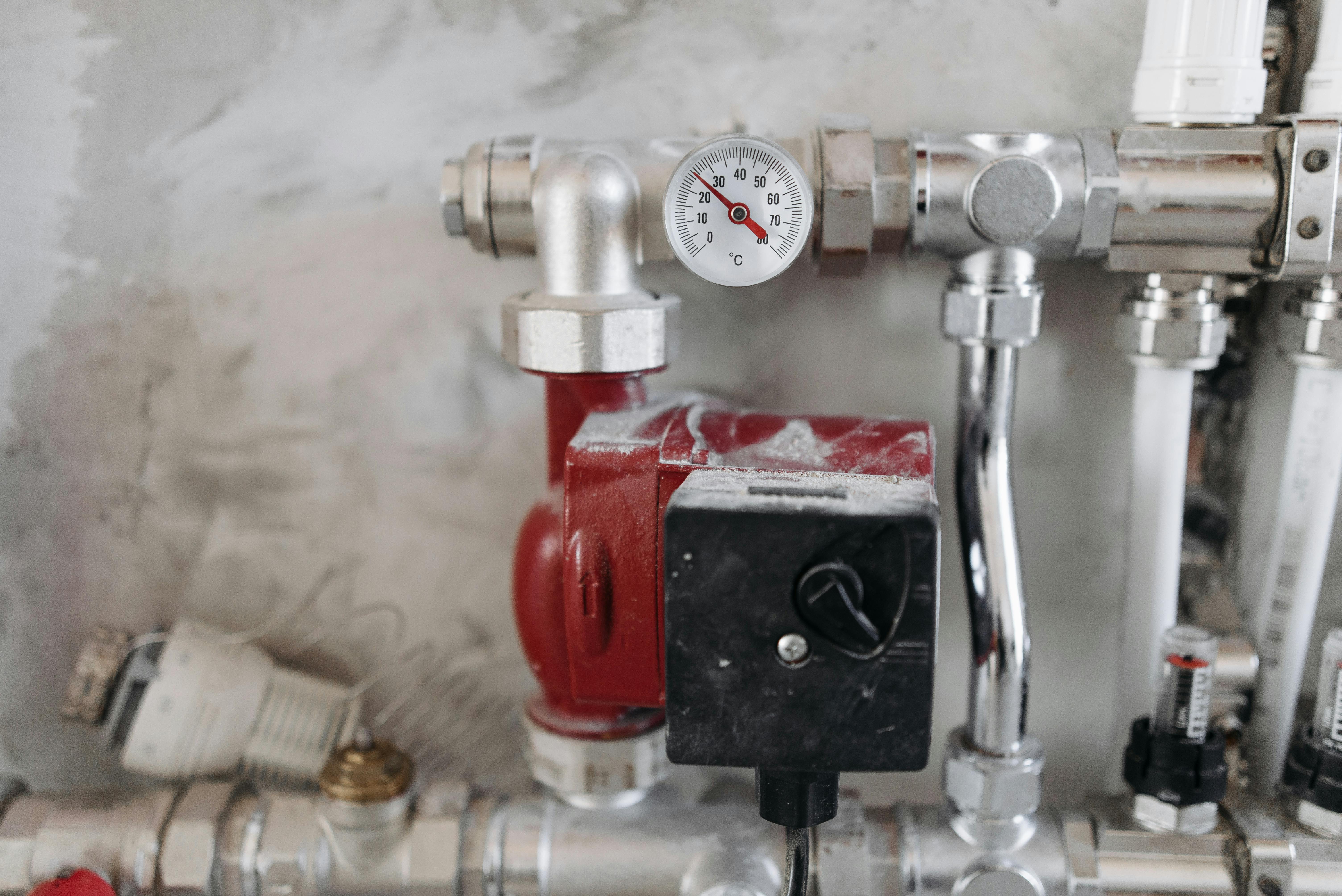
In the realm of home comfort and energy efficiency, heat pumps play a pivotal role. They offer a cost-effective and environmentally friendly solution for heating and cooling spaces. However, like any mechanical system, heat pumps require regular maintenance to operate at their best. Neglecting this crucial aspect can lead to decreased efficiency, higher energy bills, and potentially expensive repairs. By understanding the importance of regular heat pump maintenance, homeowners and property managers can ensure their systems run smoothly and extend their lifespan.
The Benefits of Regular Heat Pump Maintenance
Regular maintenance of heat pumps offers numerous benefits, ensuring optimal performance and longevity. Here are some key advantages:
- Enhanced Efficiency: Routine checks and cleaning can significantly improve the efficiency of a heat pump, reducing energy consumption and lowering utility bills. Discover expert strategies here.
- Extended Lifespan: Well-maintained heat pumps are less likely to suffer from wear and tear, which can extend their operational life.
- Improved Air Quality: Regular cleaning of filters and components helps maintain good indoor air quality, ensuring a healthier environment.
- Cost Savings: Preventive maintenance can identify potential issues early, avoiding costly emergency repairs.
Key Components of Heat Pump Maintenance
Inspection and Cleaning
Routine inspections are crucial to identify any wear and tear or potential issues. Key components to inspect include:
- Air Filters: Dirty filters can obstruct airflow, making the system work harder. Cleaning or replacing them regularly is essential.
- Coils: Both the evaporator and condenser coils should be cleaned to maintain efficiency. Dust and debris can insulate the coils, reducing their ability to absorb or release heat.
- Fan Blades: Ensuring the fan blades are clean and balanced is important for effective airflow.
For a thorough understanding of these maintenance tasks, find out more about this approach.
System Testing and Calibration
After cleaning and inspecting, it’s important to test and calibrate the system to ensure it’s operating efficiently. This includes:
- Thermostat Calibration: Ensuring the thermostat is accurately measuring and maintaining the desired temperature.
- Electrical Connections: Checking and tightening electrical connections to prevent issues caused by loose or faulty connections.
- Refrigerant Levels: Ensuring the refrigerant is at optimal levels for efficient operation.
To learn about tailored solutions for system testing, explore advanced guides and tips.
When to Schedule Maintenance
Heat pump maintenance should be scheduled at least once a year. For units that are used heavily, such as in commercial settings or regions with extreme weather conditions, more frequent checks may be necessary. It’s advisable to schedule maintenance before the peak heating or cooling seasons to ensure the system is ready to handle increased demand.
For detailed scheduling strategies, learn about our tailored solutions.
Conclusion
Regular heat pump maintenance is not just a recommendation; it’s a necessity for anyone looking to maximize their system’s performance and longevity. By keeping the system clean, well-calibrated, and properly inspected, users can enjoy the benefits of reduced energy costs, increased comfort, and prolonged equipment life. Whether it’s a residential or commercial setting, dedicating time to regular maintenance is a wise investment. To ensure comprehensive care and effective maintenance practices, consider consulting with professionals who can provide expert guidance and service. Explore advanced guides and tips for maintaining your heat pump efficiently.
