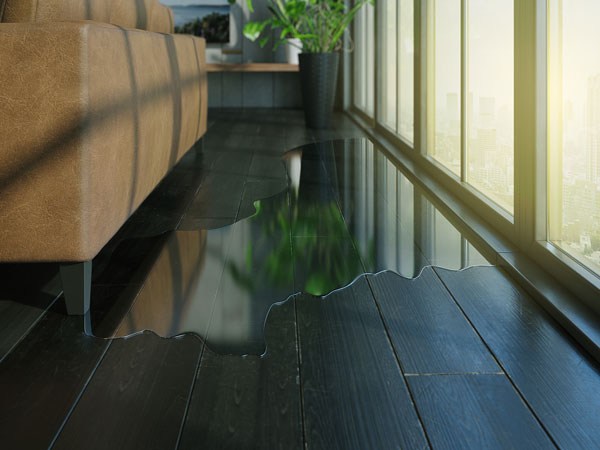
Mould growth is a common problem faced by homeowners and businesses, particularly in areas with high humidity or water exposure. While it can be unsightly, mould also poses health risks and can compromise the structural integrity of buildings. Combatting mould effectively requires a structured approach, and professional remediation services offer solutions tailored to these challenges. These services not only help in removing mould but also in preventing future outbreaks.
Understanding Mould and Its Impact
Mould is a type of fungus that thrives in damp, warm environments. It spreads through spores, which can be carried by air, making it pervasive once it takes hold. The impact of mould includes:
- Health Risks: Mould can cause allergic reactions, respiratory issues, and other health problems, especially in individuals with compromised immune systems.
- Structural Damage: Mould can weaken building materials such as wood and drywall, leading to costly repairs.
- Aesthetic Concerns: Mould growth can result in unsightly stains and unpleasant odors.
Understanding these impacts is crucial for addressing mould issues effectively. Read more about this topic.
The Process of Mould Remediation
Mould remediation involves several steps to ensure thorough removal and prevention of recurrence. These steps typically include:
1. Inspection and Assessment
The first step is to conduct a comprehensive inspection to identify the extent of the mould problem. This involves:
- Identifying sources of moisture that contribute to mould growth.
- Evaluating the spread and types of mould present.
- Developing a remediation plan tailored to the specific situation.
Learn more in this detailed guide.
2. Containment
Proper containment measures are essential to prevent the spread of mould spores during the remediation process. This may include:
- Sealing off affected areas with plastic sheeting.
- Using negative air pressure to prevent the spread of spores.
3. Removal
Removal of mould-infested materials is a critical phase. This involves:
- Cleaning and sanitizing surfaces with appropriate cleaning solutions.
- Disposing of severely contaminated materials.
- Using HEPA vacuums to capture mould spores during cleaning.
For additional insights, explore further insights here.
4. Repair and Restoration
After removal, restoring affected areas is necessary to prevent future outbreaks. This includes:
- Repairing any structural damage caused by mould.
- Addressing sources of moisture to prevent recurrence.
- Repainting and restoring the aesthetic appearance of the affected areas.
Preventative Measures Against Mould
Prevention is key to managing mould growth effectively. Consider these preventative strategies:
- Maintain Low Indoor Humidity: Use dehumidifiers and ensure proper ventilation in moisture-prone areas.
- Fix Leaks Promptly: Address leaks in roofs, windows, and pipes immediately to prevent moisture accumulation.
- Regular Inspections: Conduct regular inspections to catch and address mould issues early.
Find additional information here.
Conclusion
Effectively combatting mould requires a comprehensive approach that involves both remediation and prevention. Professional remediation services offer the expertise and resources necessary to address current mould issues and implement measures to prevent future occurrences. By understanding the impact of mould and following structured remediation processes, property owners can protect their buildings and ensure healthier living and working environments.